
Why Indie Games Matter: A Gamers’ Perspective
- GameVerse Studio
- Nov 27, 2025
- 4 min read

Indie games have surged in popularity over the past decade, capturing the hearts of gamers and critics alike. These games, often developed by small teams or individuals, offer unique experiences that stand apart from mainstream titles. But why do indie games matter? What makes them significant in the gaming landscape? In this post, we will explore the importance of indie games from a gamer’s perspective, highlighting their creativity, innovation, and the sense of community they foster.
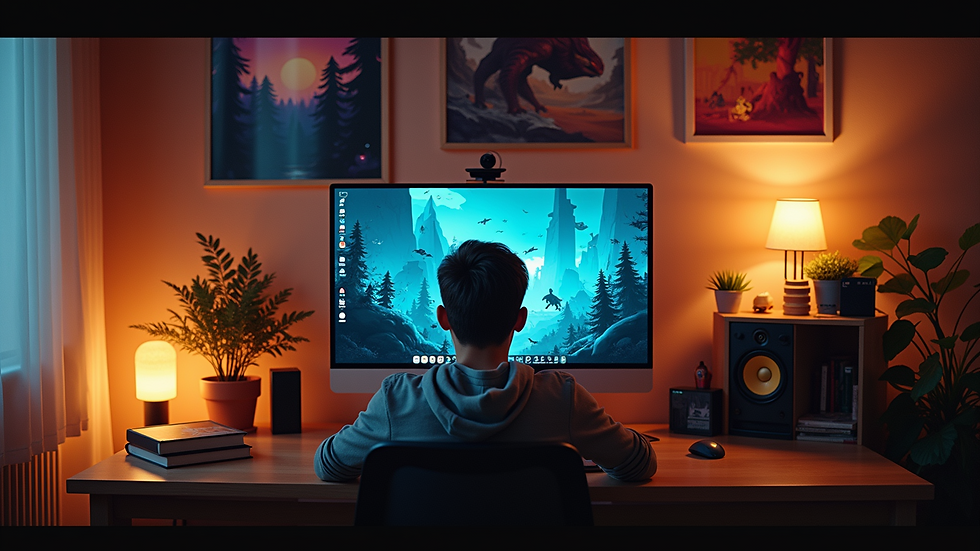
The Creative Freedom of Indie Development
One of the most compelling aspects of indie games is the creative freedom they offer developers. Unlike large studios, indie developers are not bound by corporate mandates or the pressure to create a blockbuster hit. This freedom allows them to explore unconventional ideas and take risks that larger companies might shy away from.
Unique Storytelling
Indie games often prioritize storytelling in ways that resonate deeply with players. For instance, "Celeste" tells the story of a young woman climbing a mountain, which serves as a metaphor for personal struggles and mental health. This narrative depth is something that many mainstream games overlook in favor of action-packed sequences.
Innovative Gameplay Mechanics
Indie developers frequently experiment with gameplay mechanics, leading to fresh and engaging experiences. A great example is "Braid," which introduced time manipulation as a core mechanic, challenging players to think differently about puzzles and platforming. Such innovations can inspire larger studios to adopt new ideas, ultimately benefiting the entire gaming industry.
The Rise of Diverse Voices
Indie games have become a platform for diverse voices that have historically been underrepresented in the gaming world. Developers from various backgrounds are creating games that reflect their unique experiences and perspectives.
Representation Matters
Games like "Spiritfarer" and "Hades" showcase characters and stories that resonate with a broader audience. These games not only entertain but also educate players about different cultures and experiences, fostering empathy and understanding.
Breaking Stereotypes
Indie games often challenge stereotypes and norms within the gaming community. For example, "Gone Home" explores themes of identity and family dynamics, presenting a narrative that diverges from traditional gaming tropes. This shift encourages players to engage with stories that reflect real-life issues.
Building Community and Connection
Indie games foster a sense of community among players and developers. The smaller scale of indie projects often leads to more personal interactions, creating a tight-knit environment where feedback and collaboration thrive.
Player Engagement
Many indie developers actively engage with their player base, seeking feedback and suggestions to improve their games. This level of interaction creates a sense of ownership among players, who feel invested in the development process. Games like "Stardew Valley" have built dedicated communities that contribute to the game's ongoing success through mods and fan art.
Events and Festivals
Indie game festivals, such as the IndieCade and PAX Indie Showcase, provide platforms for developers to showcase their work and connect with fans. These events celebrate creativity and innovation, allowing players to discover new titles and meet the minds behind them.
The Economic Impact of Indie Games
While indie games may not have the same financial backing as AAA titles, they contribute significantly to the gaming economy. The success of indie games demonstrates that there is a viable market for smaller projects.
Success Stories
Games like "Undertale" and "Hollow Knight" have achieved remarkable commercial success, proving that indie games can compete with larger titles. These successes inspire new developers to pursue their dreams, further enriching the gaming landscape.
Affordable Gaming Options
Indie games often come at a lower price point than their AAA counterparts, making gaming more accessible to a wider audience. This affordability allows players to explore diverse genres and experiences without breaking the bank.
Challenges Faced by Indie Developers
Despite their many advantages, indie developers face numerous challenges in the gaming industry. Understanding these obstacles can help gamers appreciate the hard work that goes into creating indie titles.
Limited Resources
Indie developers often operate with limited budgets and small teams. This constraint can impact the scope and polish of a game. However, many indie developers turn these limitations into strengths, focusing on unique gameplay and storytelling rather than flashy graphics.
Marketing and Visibility
With thousands of games released each year, standing out in a crowded market is a significant challenge for indie developers. Many rely on grassroots marketing strategies, such as social media engagement and word-of-mouth, to gain visibility.
The Future of Indie Games
The future of indie games looks bright, with an increasing number of platforms and tools available for developers. As technology continues to evolve, so too will the opportunities for indie creators.
Emerging Technologies
Advancements in technology, such as virtual reality (VR) and augmented reality (AR), open new avenues for indie developers to explore. These technologies can enhance storytelling and gameplay experiences, allowing for even more creativity.
Crowdfunding and Support
Platforms like Kickstarter and Patreon have made it easier for indie developers to secure funding for their projects. This support enables them to bring their visions to life and reach audiences that may have been inaccessible in the past.
Conclusion
Indie games matter because they represent the heart and soul of gaming. They push boundaries, tell unique stories, and foster communities that celebrate creativity and diversity. As gamers, we should support indie developers by exploring their games, sharing our experiences, and advocating for their place in the industry. The next time you pick up a controller, consider diving into the world of indie games. You might just discover your new favorite title.

Comments